Updated August 28, 2026
Coin blanks, metals, and relief
Three blanks, two independent finishes, and one relief depth. The blank sets the edge and the proportions, the two finishes set the metals, and the relief sets how far the mark stands proud. Everything else on the coin follows from those.
What is the difference between the coin blanks?#
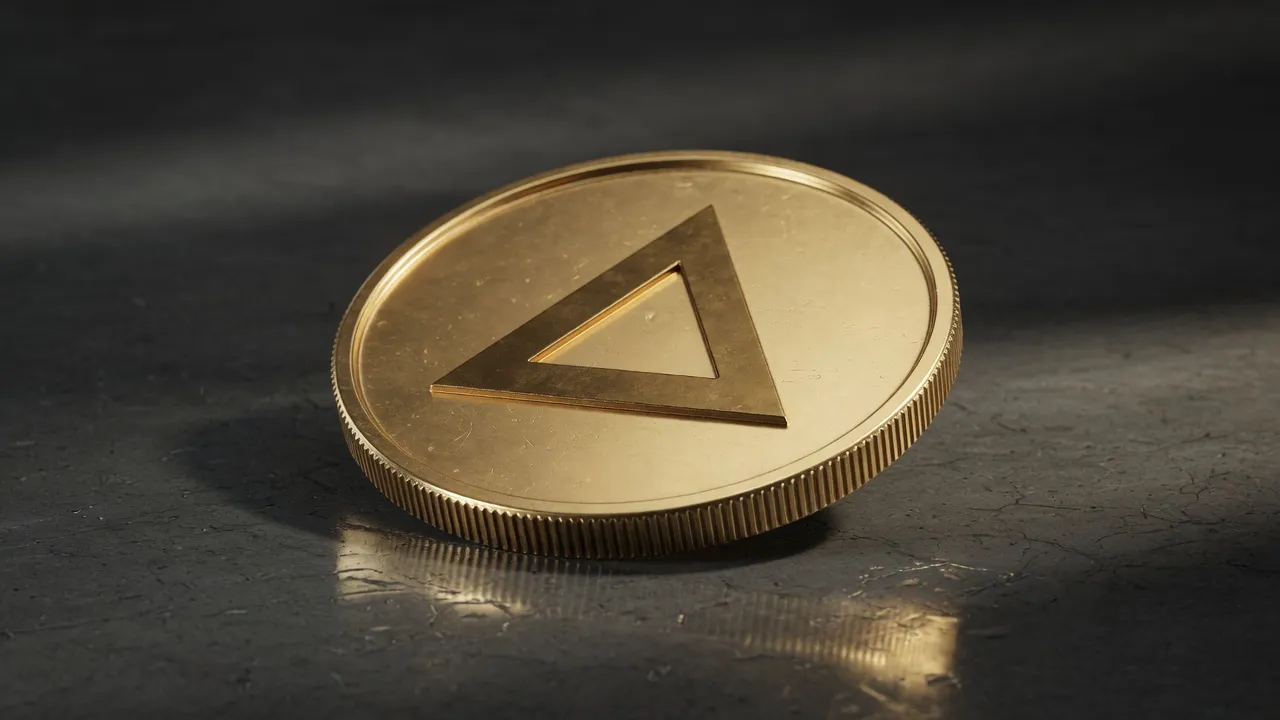
The edge, and how thick the coin is for its width. All three are within about one percent of the same diameter, so the choice is really about the rim treatment and the profile. Smooth is the thinnest at 11.0% of its diameter, milled the thickest at 14.3%.
| Blank | Edge | Thickness as a share of diameter | Reads as |
|---|---|---|---|
| Reeded | Fine grooves around the rim | 13.2% | The classic struck coin, closest to currency. |
| Milled | Coarse, chunkier grooves | 14.3% | A heavier token; the thickest of the three. |
| Smooth | Plain rounded rim, no grooves | 11.0% | A medallion or award rather than a coin. |
Can the blank and the mark be different metals?#
Yes, and it is the single most useful thing in the studio. The blank takes one finish and the struck relief takes another, independently, from the same catalogue of 84 presets. A chrome mark struck into a gold blank separates the design from the field without adding an outline.
Two metals do the job that colour does on a printed logo. Because a struck coin has no colour of its own beyond its metal, contrast between the mark and the field is the only thing making the design legible from across a room.
The pairings that work are the ones with a real value difference: a bright finish on a dark one, or a warm metal against a cool one. Two similar metals give you a coin where the mark disappears at any distance.
The four coin look pages are worked examples of this, each with the blank and relief already set.
How deep should the relief be?#
Shallow, and wide. Depth on a coin is read from the shadow it casts along its edge, not from how far it projects, so a broad mark with a modest relief catches more light than a small mark pushed far out. Raise the mark scale before you raise the depth.
A deep, small relief is the common mistake. It looks dramatic while you are orbiting the coin in the studio and turns into an unreadable lump at the size a coin is actually seen.
The bevel matters here for the same reason it matters on a logo: it is the chamfer along the edge of the relief that catches a highlight and tells the eye the mark is raised. A relief with no bevel at all reads as printed rather than struck.
The geometry cost of these settings is measured on the exporting page: depth is free, and it is the bevel, particularly a smooth one, that multiplies the file.
What will the coin studio not do?#
Four things worth knowing before you plan around it: both faces carry the same mark, the coin is a render rather than a manufacturing file, there is no edge lettering, and the blank shapes are fixed to the three provided.
Both faces are struck with the same mark. The back is turned so it reads the right way round as you orbit past the edge, rather than appearing mirrored, but it is not a separate design. Two different faces means rendering twice and combining the images.
The output is a render and a 3D model. A mint wants vector artwork and a die specification; this is for getting the design approved and showing it in three dimensions before that.
The rim carries an edge treatment, not text. Lettering goes on the faces.
The blanks are the three provided. There is no custom diameter, no polygonal coin, and no cut-out centre.
Questions
- What is a reeded edge?
- The fine grooves cut around the rim of a coin, the treatment most currency uses. On this studio it is one of three blanks, alongside a coarser milled edge and a plain smooth rim, and it is the one that reads most like real money.
- What is the difference between reeded and milled?
- The coarseness of the grooves. Reeded is finely grooved and reads as currency; milled has far chunkier grooves and reads as a heavier token. Milled is also the thickest of the three blanks relative to its diameter.
- Can I strike chrome into a gold coin?
- Yes. The blank and the relief take their finishes independently from the same catalogue of 84 presets, so any metal can be struck into any other. A bright mark on a darker blank is the pairing that stays legible at a distance.
- Why does my coin design look flat?
- Usually because the relief has no bevel, or the mark is small and deep rather than large and shallow. The bevel along the edge of the relief is what catches a highlight and tells the eye the mark is raised. Widen the mark first, then add a small bevel.
- Can I change the coin size or shape?
- No. The three blanks provided are fixed in shape and proportion; there is no custom diameter, no polygonal coin, and no cut-out centre. What you control is which blank, how large the mark sits on it, how far it stands proud, and the two finishes.