Loading converter…
Updated September 2026
Slicer mesh in. Web file out.
Use this to preview or share a print mesh on the web. STL has no PBR, so the GLB gets a default material. This will not look like a Generate GLB. If you only needed to glance at the hull, use the STL viewer and skip packing.
Source STL, target GLB, drop, download a default-material .glb.
1
Source is STL. The File API reads it in this tab. Nothing is posted. Keep it under 80 MB.
2
A GLB wraps the STL mesh with a default material.
3
Preview in the GLB viewer. Keep the STL for the printer.
This page is only STL → GLB. Other pairs have their own keep and lose notes so they do not repeat this conversion.
| On this conversion | What happens |
|---|---|
| Keeps | Triangles inside GLB. |
| Drops | Nothing STL never had: color, UVs, clips. |
| Next step | Open the GLB viewer. Do not send this GLB back to a slicer. Keep the STL for print. |
| Attribute | Result on the reference scene |
|---|---|
| Separate objects | Kept as 2 |
| UV coordinates | Kept |
| Vertex colour | Kept |
| Material names | Kept |
| Vertices on the reference scene | 48 of 48 |
| Mesh | Source | GLB | Change | Vertices written |
|---|---|---|---|---|
| mug.glb | 880 KB | 1,173 KB | 1.3x | 25,000 |
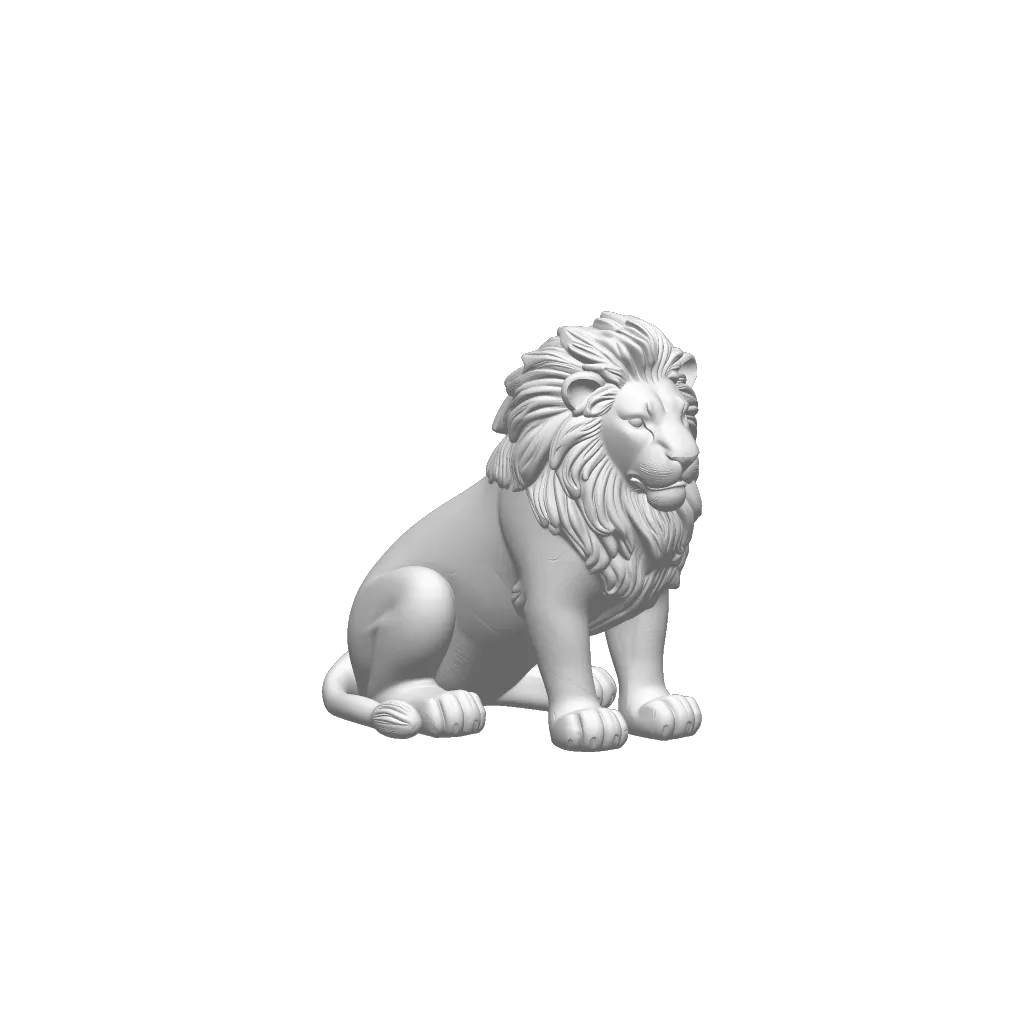
| lion.glb | 8,768 KB | 11,690 KB | 1.3x | 249,369 |
STL as the source: Default material on export. Source has no PBR to keep. Measured 2026-09-13 by running this converter’s own loaders and exporters headlessly. How every format was measured.
STL is parsed with the File API. GLB is written in memory. Nothing STL never had: color, UVs, clips. That is a format rule, not an upload. Files over 80 MB are refused because RAM is the limit.
Use this to preview or share a print mesh on the web. STL has no PBR, so the GLB gets a default material. This will not look like a Generate GLB. If you only needed to glance at the hull, use the STL viewer and skip packing.
Source STL, target GLB, drop, download a default-material .glb. No Blender and no account.
To orbit it on the web or hand it to a tool that only opens GLB. The slicer should still get the original STL.
No. There is nothing to recover. Default material only.
No. STL is parsed here and GLB is written in memory. There is no convert API.
Yes. Open the STL viewer if you only need to orbit. Convert when the next tool actually wants GLB.
Open the GLB viewer. Do not send this GLB back to a slicer. Keep the STL for print.